Roadway watchouts to help drivers keep their cool this summer
The summer months are finally here, bringing with them road trips and an increase in summer travel. The summer also means more passenger cars sharing the roads with commercial vehicles – which can lead to short tempers and more traffic collisions. A recent Nationwide claims analysis reveals a concerning trend: there are more collision-based accidents during summer driving monthsi. The data also supporting the peak of collision-based accidents are around the 4th of July, with an increase also seen around Labor Day in early September.
The quantitative analysis of auto collision claims data aligns with the general sentiment of driving research conducted by Nationwide earlier this year. The data highlights passenger vehicles and company vehicle driver’s pain points that everyone should consider to safely share the roads during this busy time of year.
Poll


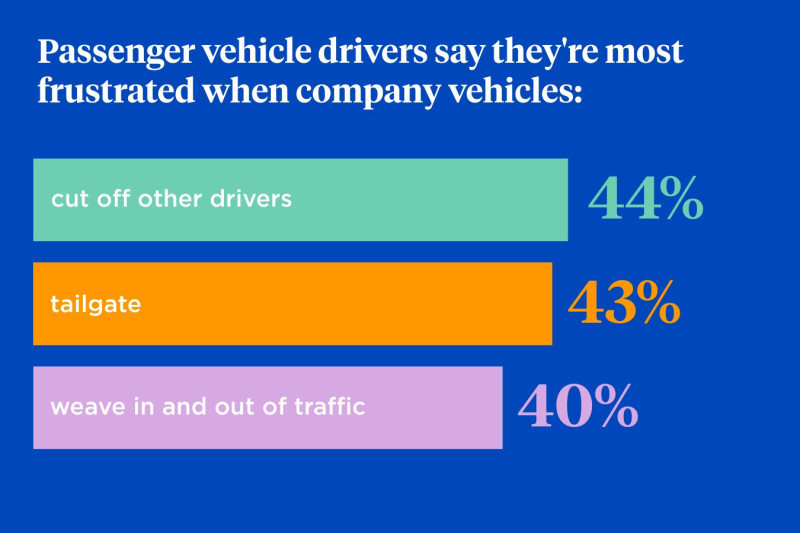
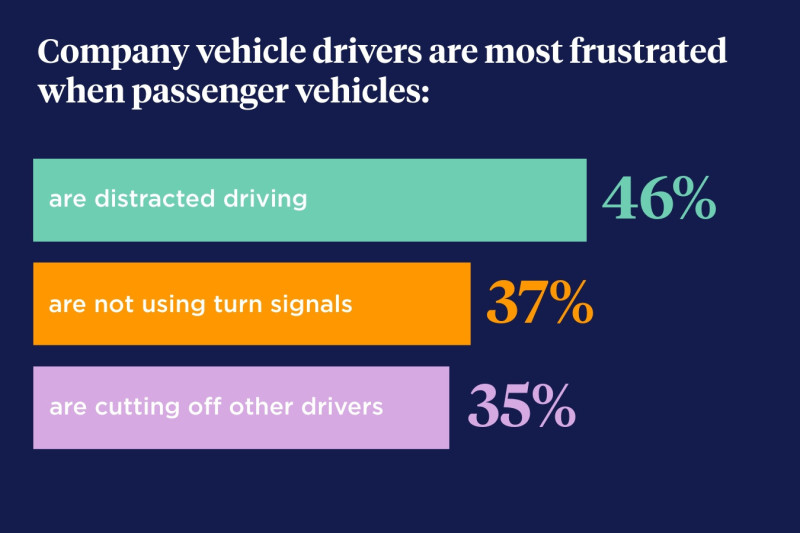
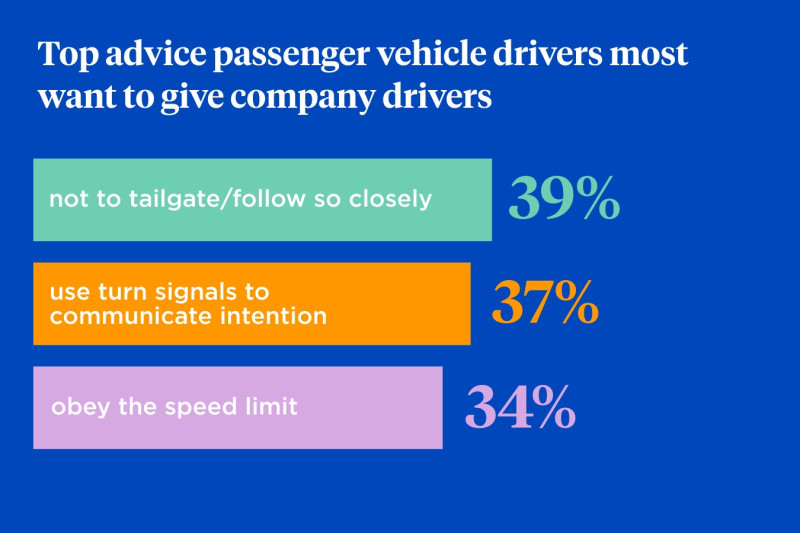
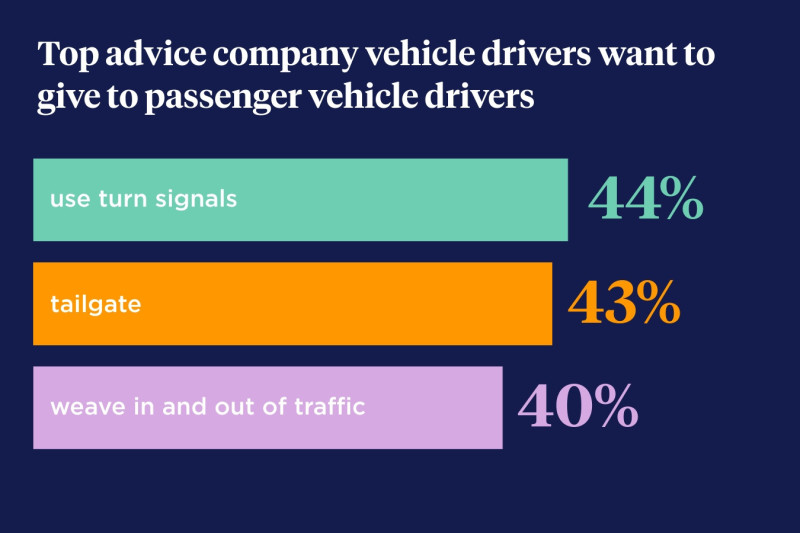
A Call for Attention and Safety
The general sentiment among drivers is alarming: both groups perceive a decline in road safety compared to just 12 months ago. Company vehicle drivers feel drivers of passenger cars are more distracted today (82%), looking at their phones more often today (80%), driving faster today (78%), driving more reckless today (76%), not driving safely around company vehicles (76%), and driving more aggressive today (76%).
Roughly 9 in 10 passenger vehicle drivers say drivers overall are more aggressive (90%), more reckless (86%) and more often looking at their phones (92%) today compared to 12 months ago.
As we gear up for the summer driving season, these statistics serve as a stark reminder of the importance of attentive driving. Let’s make this summer a safe one by being mindful of our actions on the road and considering the advice from fellow drivers. Remember, safety is a shared responsibility.
1 This data, drawn from personal auto, motorcycle, RV, and commercial auto policies over the loss years 2021-2023, underscores the need for heightened awareness during these “peak summer driving months.”