Over the river and through the woods: Three tips to keep your pets safe this Thanksgiving
Help pets stay safe on the road, at the table and around holiday guests
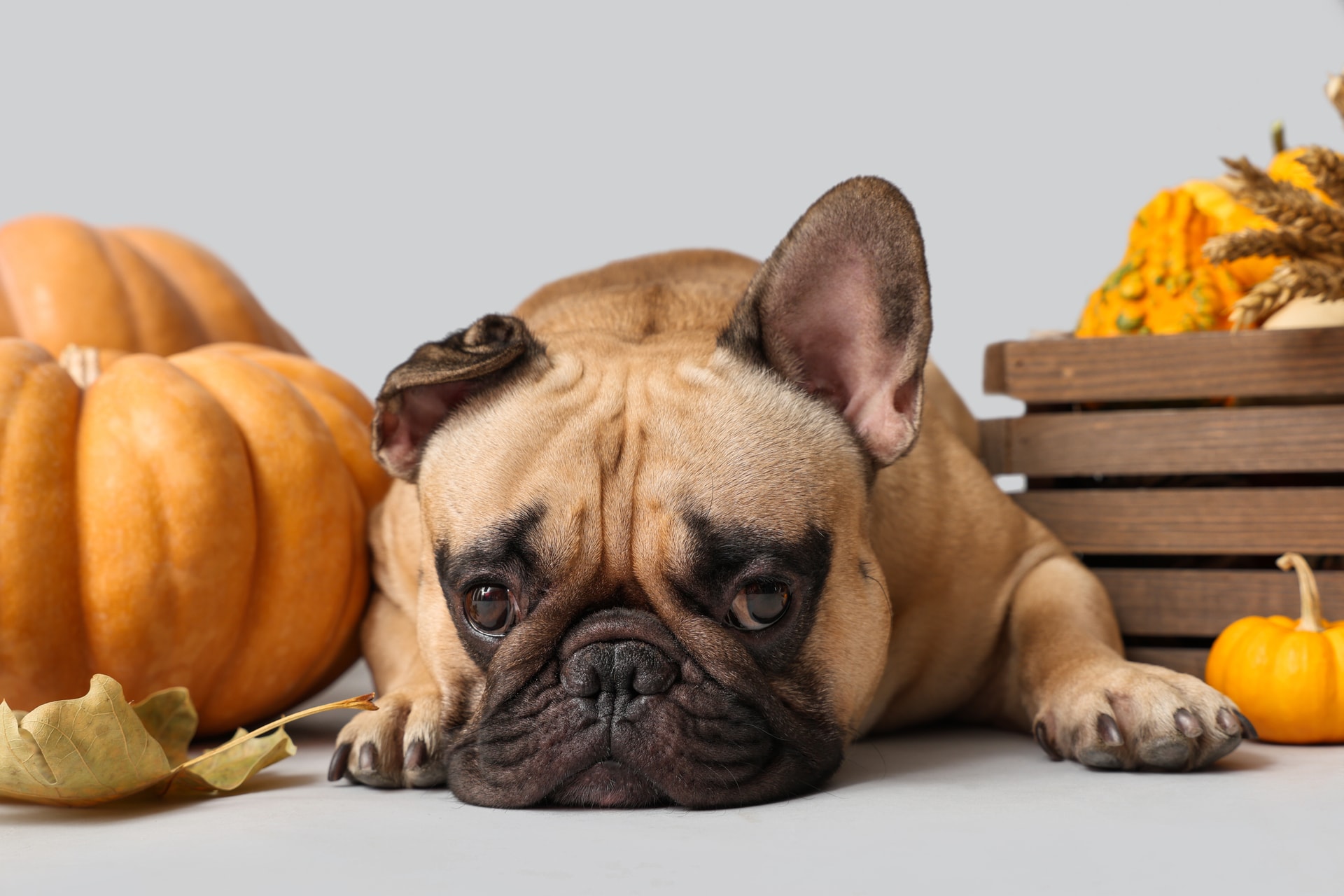
- For safe pet travel on Thanksgiving, veterinarians recommend using a well-fitted carrier or safety belt, and never leave pets alone in parked cars.
- Nationwide reports dog toxic ingestion claims rise approximately 19% from November to January, highlighting the importance of keeping chocolate, garlic, alcohol and other toxic foods out of pets’ reach.
- Nationwide claims data reveals respiratory illnesses increase 5% in cats and nearly 4% in dogs; holiday travel and boarding may be contributing factors.
If you’ve ever tried to coax a cat into a carrier or keep a dog from begging for scraps at the dinner table, you may already be bracing for Thanksgiving. Between travel, a full house and tempting food, the holiday can bring extra challenges for pets, as well as the people who love them.
"A little prep can keep the holiday fun for your family and safer for your pets,” said Dr. Emily Tincher, chief veterinary officer at Nationwide pet insurance. Here are three ways to protect pets this Thanksgiving.
1. Plan for travel
Long car rides over the river and through the woods call for comfort, safety and biscuits for the road!
Before setting out, secure pets in a well-fitted carrier or car restraint, such as a harness or safety belt. A recent survey by AAA and Kurgo reveals 84% of respondents bring their dogs on car trips but do not use a restraint.
“A crash or sudden stop can happen at any time. While the journey isn’t always predictable, families can provide protection along the way,” Tincher said. “Choose a carrier or safety belt that’s the right size for your pet and get them used to it before the trip so they feel comfortable.”
Microchip your pet in case you get separated, and never leave them alone in a parked car. If your pet isn’t joining you, arrange a trusted caregiver and share feeding, medication and emergency-contact details with them.
Because the holidays can also mean more contact with other pets, caregivers and visitors, keep in mind that travel, boarding, and gatherings could lead to respiratory infections, like kennel cough and the flu. Nationwide reports that respiratory illnesses rise 5% in cats and nearly 4% in dogs from November to January.
2. Avoid table scraps
Rich holiday foods can upset pets’ stomachs. Fatty items such as turkey skin and gravy may contribute to pancreatitis. Keep chocolate, alcohol, onions, garlic, grapes, raisins, xylitol (often found in sugar-free desserts), bones and corn cobs away from curious noses.
Nationwide claims data reveals claims from dogs eating something they shouldn’t rise approximately 19% from November to January.
“Some favorite holiday foods can be dangerous for pets, so it’s safest not to share scraps, but if guests want to offer a treat, try a small amount of plain, pet-safe food,” Tincher said. “Emergency care can range from hundreds to thousands of dollars, which is why prevention during the holiday season is so critical.”
If you’d like to share a treat, offer small amounts of simple, unseasoned food, such as turkey breast, plain pumpkin (not pie filling), sweet potatoes or carrots.
3. Recognize when your pet is stressed
With guests coming and going, pets can slip through an open door or become overwhelmed by the noise and activity. Keep food and drinks out of reach, remind guests not to feed pets scraps, and consider giving your pet a quiet, secure space away from the bustle.
“If you feel like the Thanksgiving gathering is noisy and overwhelming, just imagine how your pets may feel!” Tincher said. “To ease any feelings of stress, give your pets a quiet place to go and allow them decide if they want to interact with guests.”
Watch for hiding, pacing or attempts to escape. Dogs may also pant when stressed, not just when hot or tired. If your pet eats something unsafe, contact your veterinarian immediately. Be ready to share what and how much they may have eaten, as well as your pet’s weight and medical history.
A few simple precautions can help make Thanksgiving safer for every member of the family, including the four-legged ones.